

D-Mind Camp : ค้นหาหนังสือธรรมะ หน้า 54 / 98
หน้าหนังสือทั้งหมด

100
Stabilisierung des MIND
Übe den ersten Stopp des MINDs bis er stabil ist.
Fühle dich dabei wohl; sei glücklich;
es gibt einen vollständigen Strom des Glücks.
Diese Faktoren sind sehr wichtig;
bewahre deinen MIND in diesem Zu
Der Text ermutigt dazu, den ersten Stopp des MINDs zu üben, um Stabilität zu finden. Es wird betont, dass es wichtig ist, sich dabei wohl und glücklich zu fühlen und den MIND in diesem Zustand zu bewa
102
การนั่งสมาธินิ่งสงบเพื่อเห็นธรรม
คำพูดที่ว่า "อย่าอยากเห็น ถ้าใจเย็นจะเห็นเอง" หมายถึงให้นิ่งกับเรื่องของอารมณ์ถ้ารักอารมณ์สบายสัตว์อย่างต่อเนื่อง เดี๋ยวภาพภายใน ดวงธรรม องค์พระจะมาให้เห็นเอง นั่งสมาธิด้วยใจที่สบาย ใจเย็น ๆ จนถึงจุดเ
การกล่าวถึงการนั่งสมาธิอย่างสงบเพื่อให้เห็นภาพภายในใจ เช่น องค์พระและภาพธรรม ซึ่งจะเกิดขึ้นเองเมื่อมีความรู้สึกสุขสงบและใจเย็น เทคนิคในการทำสมาธิคือให้นั่งด้วยความรู้สึกสบายใจและให้ระลึกถึงลมหายใจ ซึ่

108
การทำสมาธิอย่างนุ่มนวล
ฎลอดเส้นทางของการหลับตาทำสมาธิจิตต้องนุ่มนวล สัมผัสตรงนี้ให้ได้ตลอด ถ้าหากนิ่ง นุ่ม นั่งสมาธิจะมีความสุข
On the journey of closing your eyes meditating; your mind has to be gentle. You should sense t
ในการทำสมาธิ การปิดตาเป็นเส้นทางที่ต้องอ่อนโยน โดยต้องสัมผัสความรู้สึกนี้ในทุกช่วงเวลา หากสามารถนั่งนิ่งและอ่อนโยน การทำสมาธิจะทำให้เกิดความสุขได้อย่างแท้จริง โดยไม่ต้องมีการรบกวนจากภายนอก www.dmc.tv

132
Je stiller dein MIND, desto schneller dein Forschung!!
The more you stop your mind, the faster and easier you will progress!
21
The Inaugural Teaching of the Buddha
He agreed to teach the Dhamma, but remained undecided as to exactly who he should teach first. Eventually, the Bud- dha decided to make the journey to teach the ‘Group of Five’ [pañcavaggiya] who were
The Buddha decided to teach the Dhamma starting with the Group of Five at Isipatana Deer Park. His first sermon, the Dhammacakka pavattana Sutta, serves as a crucial teaching, symbolized by a royal ch
56
The Noble Eightfold Path and the Cessation of Suffering
"The wise one who trains himself [yoĝāvācara] should see that the builder is ‘Craving’ who fashions the home that is the physical body of each and every living being, to keep those living beings being
This text delves into the teachings of the Buddha regarding the nature of craving as the cause of suffering and the means of escape through the Noble Eightfold Path. The concept of the 'Elixir of Deat
62
The Suffering of Birth: Understanding the Stages of Embryonic Development
The suffering of birth starts to affect beings without exception from the moment they are conceived. Some beings are fully equipped with sense spheres [āyatanā] from the moment they are born — others
The suffering of birth begins at conception and affects all beings. It varies by the mode of birth, with those born from the womb experiencing more suffering. Mammalian embryonic development shows cha
68
Understanding the Body as a House
of the six senses¹ and the deterioration of the thirty-two parts of the body², causing the body to become shrivelled and unattractive.
In actual fact, this house that is our body, has craving [tanhā
This text offers a profound understanding of the human body as a metaphorical house constructed by craving. It illustrates how the various parts of the body represent different elements of a house, hi
72
The Four Enemies: Understanding Suffering
with cool shade and sparkling waterfalls. The first enemy
offers to take the guard to show him the other forest. Unwit-
tingly mistaking the enemy for a friend, he goes with him.
Eventually reaching t
This text discusses the metaphor of four enemies that represent the sufferings inherent in human existence: birth, aging, illness, and death. Birth is akin to the first enemy, seducing us into life, w
75
Understanding Suffering and Attachment
move those hateful things or escape from their grasp — but when we can’t it only adds to the suffering in our mind.
11. Separation from loved ones and treasured things [piyihi vipayoga dukkhā] If we a
This text delves into the various forms of suffering as described in Buddhist teachings. It highlights how separation from loved ones and possessions leads to emotional pain and how disappointment man
88
The Perils of Craving in Buddhist Teachings
past, Ānanda and the rest of the monastic community were moved by the perils of the Cycle of Existence. Having completed his sermon, the Lord Buddha preached on the peril of Craving for the Brahmā-wor
In this teaching, the Buddha emphasized that craving is the root cause of suffering. He illustrated that just as a tree will regrow from its stump if not completely uprooted, suffering will persist if
94
The Nature of Suffering and the Pursuit of Happiness
which they try to derive happiness are themselves of the
nature of suffering. The suffering of such people, at root
comes from their search for sense-pleasure and sense-ob-
jects. Even the suffering t
This text discusses how the pursuit of happiness through sense-pleasures results in suffering. It emphasizes that those who do not derive happiness from sense-objects remain unaffected by external mis
98
Exploring Sensual Delights and the Six Sense Organs
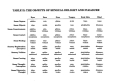
TABLE II: THE OBJECTS OF SENSUAL DELIGHT AND PLEASURE
| | Eyes | Ears | Nose | Tongue | Body Skin
This table presents an intricate overview of the six sense organs in relation to their corresponding objects, consciousness, contact, feelings, registration, volition, craving, thought conception, and
99
Understanding Sensual Attachment and Overcoming Cravings
Our sense organs [aijhattikäyatana] are implicated in the attachment we have to sensual pleasures. If we want to extinguish the craving arising because of attachment to visual temptations, then we hav
Our sense organs play a crucial role in our attachment to sensual pleasures. To overcome this attachment, we must target both the senses and their corresponding objects. Each sense - sight, sound, sme
102
Overcoming Craving through the Noble Eightfold Path
[phottabhba-vitaka] and thought-conception concerning of the mental objects [dhamma-vitaka].
Moreover, the discursive thought [vicāra] concerning our sensual objects arising from the aforementioned se
This text explores how discursive thoughts about sensory objects lead to attachment and suffering. Each of the six senses contributes to craving, necessitating practitioners to overcome these attachme
111
Understanding the Dhammakāya in Insight Meditation
called the ‘Coarse Dhammakāya Arahant’ or the ‘Subtle Dhammakāya Arahant’ — the latter two being the bodies of enlightenment of the arahant. The Dhammakāyas are all transcendental [lokuttara] in natur
This text delves into the concept of Dhammakāya Arahant, distinguishing between the Coarse and Subtle Dhammakāya. It explains that these bodies are transcendental and consist of pure aggregates that a
116
Understanding Nirvana: The Realm Beyond Existence
same happiness to us as if we were really in āyatanā nibbāna — but we are still ‘alive’ in our human body.
2. Nirvana without residual aggregates (Anupādisesa Nirvana [Nibbāna]) is the Nirvana that is
This text delves into the concepts of Āyatanā Nibbāna and Anupādisesa Nibbāna, explaining that Nirvana exists beyond the physical realm and is not bound by worldly elements. It describes Nirvana as a
121
The Noble Eightfold Path: Ethical Conduct and Mindfulness
Stealing [adinnādāna]: Taking that which is not given;
Committing adultery [kāmesumicchācarā]: abstaining from sexual relations outside marriage.
5. Right Livelihood
The Lord Buddha taught his monks
This text discusses key principles of the Noble Eightfold Path, focusing on ethical conduct such as Right Speech, Right Action which includes abstaining from stealing and committing adultery, and Righ
134
The Importance of Meditation in Buddhism
Meditation is the focussing of the mind on a single object and abiding in a single mood without distraction or restlessness, or being caught up in external influences on mood. Meditation is thus of gr
Meditation is central to Buddhist practice, allowing individuals to focus the mind on a single object, leading to the cultivation of virtues and deeper levels of awareness. The attainment of the five
145
Understanding the Eightfold Path: Right Mindfulness and Right Concentration
fort: doing of evils not yet done, maintainance of evils already done, not doing virtues not yet done and abandoning virtues already mastered.
As for Right Mindfulness, he would immediately and defini
This excerpt explores the significance of the Eightfold Path, specifically focusing on Right Mindfulness and Right Concentration. It emphasizes understanding the aggregates of existence as they relate